Applying for your first credit card is an exciting financial milestone, but navigating options, eligibility rules, and approval requirements can feel overwhelming.
Whether your goal is to build a credit score from scratch, gain access to emergency funds, or earn rewards, following a clear strategy boosts your chances of approval while keeping your finances safe.
1. Know Where You Stand
Before filling out any paperwork or clicking “Apply,” evaluate your starting point.
-
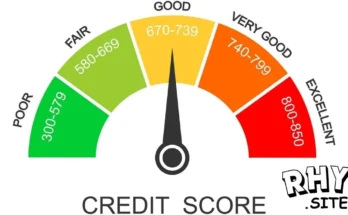
Check Your Credit Profile: If you have never borrowed money or taken out a loan, you likely have a “thin” credit file or no credit history at all. Knowing this upfront helps you avoid applying for premium reward cards that require a good-to-excellent score (typically 670+).
-
Gather Required Information: Card issuers assess your risk based on key personal details. Have these ready:
-
Government-issued ID (CNIC, Passport, or Driver’s License)
-
Social Security Number or Tax ID (where applicable)
-
Proof of income (recent pay stubs, tax forms, or bank statements)
-
Proof of address (utility bills or lease agreement)
-
-
Calculate Your Income: Lenders review your total gross income to compute your Debt-to-Income (DTI) ratio. Be sure to report all legitimate revenue sources—including full-time wages, freelance work, side hustles, or household allowances.
2. Choose the Right Starter Card
Applying for the wrong card type is the most common reason beginner applications get denied. Match your current profile to the right category:
| Card Type | Best For | Key Requirement | How It Works |
| Secured Credit Card | Absolute beginners & rebuilding credit | Refundable cash deposit | Your deposit acts as your credit line (e.g., a $300 deposit equals a $300 limit), minimizing risk for the issuer. |
| Student Credit Card | Enrolled college/university students | Proof of enrollment + income | Offers lower credit limits and starter perks with easier approval terms tailored for students. |
| Bank Relationship Card | Existing bank customers | Active checking/savings account | If you already hold a deposit account, your home bank is often more willing to approve your first card based on your banking history. |
| Unsecured Starter / Credit-Builder Card | Beginners with modest income | Proof of steady employment | No deposit required, though limits are typically low and interest rates (APR) may be higher. |
3. The Step-by-Step Application Process
Once you select a card that fits your financial profile, follow these steps:
Step 1: Pre-Qualify or Check Eligibility
Many credit card companies offer a pre-qualification tool on their websites. This process uses a soft credit check, which shows which cards you are likely to qualify for without hurting your credit score.
Step 2: Complete the Formal Application
Fill out the official form online or at a local branch. Ensure every detail—spelling of your name, address, and annual income—is 100% accurate. Discrepancies can trigger automated fraud alerts or immediate rejection.
Step 3: Wait for the Decision
-
Instant Approval: Many online applications issue a decision within seconds.
-
Pending Review: If flagged for manual review, the issuer may request additional documents (like a copy of your pay stub or ID).
-
If Denied: Lenders are legally required to send an Adverse Action Letter detailing why you were turned down. Review these reasons before applying again.
Pro Tip: Avoid submitting multiple applications at once. Every formal application triggers a hard credit inquiry, which temporarily drops your score by a few points. Submit one targeted application at a time.
4. Best Practices for Your First Credit Card
Getting approved is only half the battle; building healthy financial habits with your new card ensures long-term success.
                     ┌───────────────────────────┐
                     │   Use Card for Small,     │
                     │    Budgeted Expenses      │
                     └─────────────┬─────────────┘
                                   │
                                   ▼
                     ┌───────────────────────────┐
                     │   Keep Utilization Under  │
                     │      30% of Your Limit    │
                     └─────────────┬─────────────┘
                                   │
                                   ▼
                     ┌───────────────────────────┐
                     │   Pay the Full Statement  │
                     │    Balance Every Month    │
                     └───────────────────────────┘
-
Pay in Full and On Time: Always pay your statement balance in full before the due date. Paying on time protects your score, while paying the full balance ensures you pay 0% interest.
-
Keep Credit Utilization Low: Utilization is the percentage of your credit limit currently in use. Aim to keep your balance below 30% (ideally under 10%) of your total limit to maintain a healthy credit score.
-
Set Up Auto-Pay: Automate minimum or full balance payments through your online banking account to prevent accidental missed payments and late fees.
-
Monitor Statements Regularly: Check your transactions monthly to audit your spending habits and catch unauthorized or fraudulent charges early.
By choosing a starter card tailored to your current background and managing it responsibly from day one, your first credit card can serve as a powerful launching pad for building a strong, lasting financial foundation.