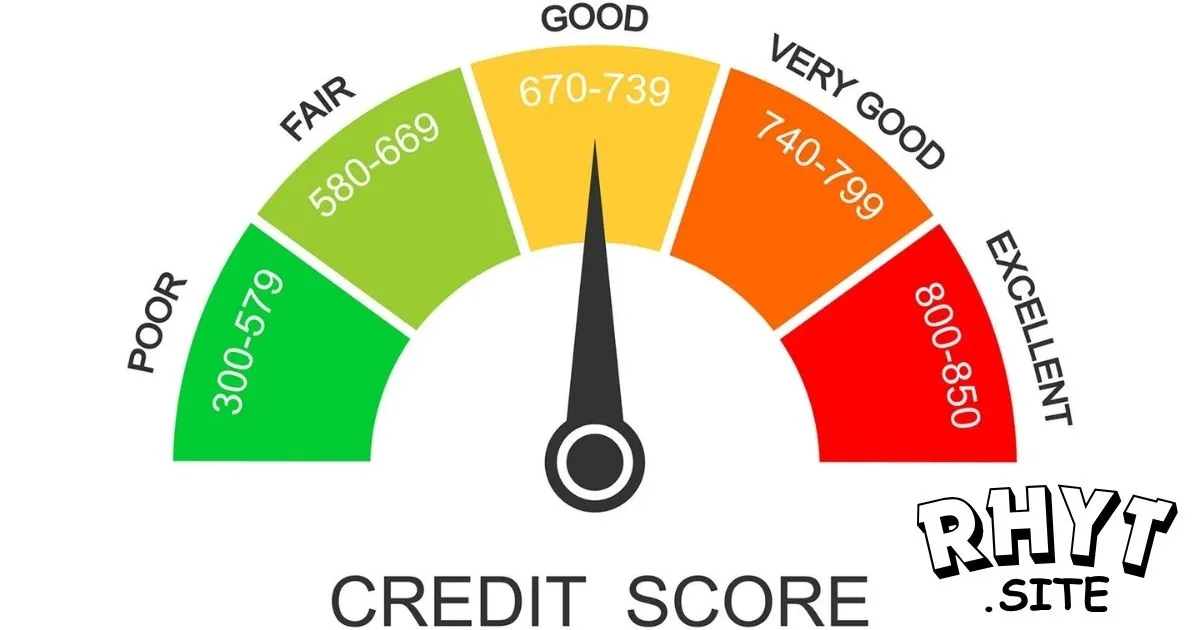
A strong credit score is more than just a three-digit number on a screen; it is your key to accessing elite financial products. Whether you want to earn generous cash back on daily purchases, unlock complimentary airport lounge access, or take advantage of massive sign-up bonuses, top-tier credit cards require a strong credit foundation.
If you feel trapped with entry-level cards offering minimal rewards and high interest rates, targeted strategies can elevate your credit score and unlock the premium credit cards you actually want.
How Credit Scores Are Calculated
To improve your credit score efficiently, you need to understand what credit bureaus prioritize. Most scoring models, including FICO and VantageScore, evaluate your profile across five primary categories:
-
Payment History (35%): Your track record of paying bills on time.
-
Credit Utilization (30%): The percentage of your available credit line that you are currently using.
-
Length of Credit History (15%): The average age of all your open accounts.
-
New Credit (10%): The number of recent credit inquiries and newly opened accounts.
-
Credit Mix (10%): The variety of accounts you maintain (e.g., credit cards, auto loans, mortgages).
Because Payment History and Credit Utilization make up 65% of your total score, focusing your effort on these two areas delivers the fastest, most noticeable results.
5 High-Impact Tips to Raise Your Credit Score
1. Master the Credit Utilization Ratio
Credit utilization measures how much of your total credit limit you use. For instance, if you have a total limit of $10,000 across all cards and carry a balance of $3,000, your utilization rate is 30%.
While conventional advice suggests keeping utilization below 30%, lenders reserve their best credit cards for applicants who maintain a utilization rate under 10%.
Pro Tip: Pay off your balance before your billing cycle closes (the statement date), not just by the due date. Credit card issuers report your balance to credit bureaus on the statement closing date. Paying early keeps your reported balance low even if you spend heavily during the month.
2. Automate Payments for Zero Missed Bills
A single 30-day late payment can drop an excellent credit score by 50 to 100 points and remain on your report for up to seven years.
To safeguard your credit profile:
-
Set up Autopay for at least the minimum amount due on every account.
-
Set up calendar reminders 3 to 5 days before your statement due dates to review charges.
3. Keep Your Oldest Accounts Open
The length of your credit history shows lenders that you can manage credit responsibly over a long period. Closing an old account reduces your average credit age and lowers your overall available credit, which increases your credit utilization ratio.
Even if you stop using an older card, keep the account open unless it charges an expensive annual fee. Make a small subscription charge or minor purchase on it once every few months to prevent the issuer from closing it due to inactivity.
4. Space Out Credit Applications
Every time you apply for a new credit card, the issuer performs a hard inquiry (or hard pull) on your credit report. A single inquiry typically dips your score by a few points, but multiple hard inquiries within a short period signals financial distress to lenders.
-
Space out credit card applications by at least 3 to 6 months.
-
Use pre-qualification tools offered by card issuers to see your approval odds without impacting your credit score.
5. Request Credit Limit Increases
If your income has increased or you have maintained a clean payment record for 6 to 12 months, contact your card issuers to request a credit limit increase.
If your limit increases from $5,000 to $10,000 while your monthly spending stays at $1,000, your reported utilization instantly drops from 20% to 10%. Just be sure to verify with the issuer that the increase request will rely on a soft inquiry rather than a hard pull.
What Credit Score Do You Need for Better Cards?
Knowing where your score stands helps you target the right tier of cards without risking unnecessary application denials.
| Credit Score Tier | Typical Score Range | What Cards You Can Unlock |
| Fair Credit | 580 – 669 | Secured cards, basic builder cards, low-tier cash back cards. |
| Good Credit | 670 – 739 | Popular mid-tier cash back cards, entry-level travel rewards cards. |
| Excellent Credit | 740 – 850 | Premium travel cards, top sign-up bonuses, luxury perks, lowest APRs. |
Moving Forward
Unlocking better credit cards isn’t about complex financial tricks; it comes down to consistent, disciplined habits. By keeping your balances low relative to your limits, automating your payment schedule, and limiting unnecessary applications, your credit score will steadily rise.
Once you reach the 740+ threshold, you can confidently apply for top-tier cards that offer valuable rewards, complimentary travel benefits, and lower interest rates.