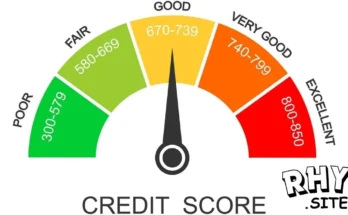
Entering college is a major milestone, marking not only the start of higher education but also your initiation into personal financial management. Opening your first student credit card is one of the most effective ways to begin building a credit score—a vital financial asset needed later when renting an apartment, applying for car loans, or securing competitive rates on post-graduate financing.
However, picking the wrong card or mismanaging credit limits can lead to high interest charges and accumulated debt. To help you make an informed decision, this guide breaks down the top student credit cards, key selection criteria, and smart usage rules.
Why Every College Student Needs a Dedicated Student Credit Card
Student credit cards are tailored specifically for young adults with limited or no credit history. Unlike standard credit cards, which usually require established credit profiles and higher income thresholds, student cards offer key advantages:
-
Lower Approval Barriers: Credit issuers adjust income and history requirements to fit student lifestyles.
-
Built-in Guardrails: Lower initial credit limits prevent accidental overspending while you build financial discipline.
-
Cash Back & Student Rewards: Many cards offer cash back on student-centric categories like dining, groceries, streaming services, and gas.
-
Credit-Building Tools: Free access to FICO score updates and spending analytics helps you track your financial health in real time.
Top Credit Cards for College Students: Side-by-Side Comparison
When selecting a card, evaluate annual fees, rewards structures, introductory APR offers, and foreign transaction fees.
| Credit Card | Best For | Rewards Rate | Key Feature | Annual Fee |
| Discover it® Student Cash Back | Everyday Rotating Rewards | 5% cash back on quarterly bonus categories; 1% on all other purchases | Cashback Match™: Matches all cash back earned at the end of year one | $0 |
| Capital One Savor Student Cash Rewards | Dining & Entertainment | 3% cash back on dining, entertainment, popular streaming, and groceries | No foreign transaction fees; ideal for study abroad programs | $0 |
| Bank of America® Customized Cash Rewards for Students | Flexible Spending | 3% cash back in a choice category (e.g., online shopping, gas, travel) | Flexible category adjustment as spending habits evolve | $0 |
| Capital One Quicksilver Student Cash Rewards | Flat-Rate Simplicity | 1.5% cash back on every purchase, every day | No category tracking or enrollment required | $0 |
| Discover it® Student Chrome | Gas & Campus Dining | 2% cash back at gas stations and restaurants (up to $1,000 per quarter) | Automatic cash-back match at the end of the first year | $0 |
Detailed Breakdown of the Top Picks
1. Discover it® Student Cash Back: Best Overall for Maximizing Value
This card offers high reward potential for students willing to activate quarterly bonus categories. You can earn 5% cash back on everyday purchases at places like Amazon, grocery stores, restaurants, and target categories each quarter (up to the quarterly maximum upon activation), plus 1% on all other purchases. Discover automatically matches all the cash back you’ve earned at the end of your first year, doubling your total rewards.
2. Capital One Savor Student Cash Rewards: Best for Campus Life & Travel
Designed for students who spend on social outings, dining, and hobbies, this card yields 3% cash back on dining, entertainment, popular streaming services, and grocery store purchases. Additionally, because it charges no foreign transaction fees, it is a top option for students planning a semester abroad.
3. Capital One Quicksilver Student Cash Rewards: Best for Low Maintenance
If tracking rotating quarterly categories feels like an added chore alongside midterms, a flat-rate cash back card is ideal. The Quicksilver Student card offers a straightforward 1.5% cash back on all qualifying purchases without caps or category restrictions.
What to Look for When Choosing Your First Card
Before submitting an application, look beyond the sign-up bonuses and review the core terms:
-
Zero Annual Fees: As a student, you should not pay an annual fee to build credit. Stick strictly to zero-annual-fee options.
-
Grace Periods & Interest Rates (APR): Variable interest rates on student credit cards can be relatively high. Look for cards offering a 0% introductory APR period for the first 6 to 15 months on new purchases to give yourself a safety buffer.
-
Foreign Transaction Fees: If you plan to study abroad or travel internationally during breaks, select a card (like those from Capital One) that waives the typical 3% foreign conversion fee.
Golden Rules of Responsible Credit Management
Having a credit card does not mean having “free money”. To establish an exceptional credit score while avoiding debt traps, follow these three core guidelines:
Rule 1: Treat your credit card like a debit card.
Only purchase items you already have cash in your checking account to pay for immediately.
Rule 2: Pay the statement balance in full every single month.
Paying only the minimum balance triggers compound interest, turning small purchases into costly long-term debts. Set up automated monthly payments to avoid late fees or missed deadlines.
Rule 3: Keep your credit utilization below 30%.
Credit utilization measures how much of your total credit limit you use. Keeping your total balance well below 30% of your limit signals financial restraint to credit bureaus and boosts your credit score.
Building strong credit early creates a financial foundation that lasts far beyond graduation day. By choosing a zero-annual-fee student card tailored to your spending habits and using it strictly within your means, you can step into your post-college life with established credit and zero card debt.