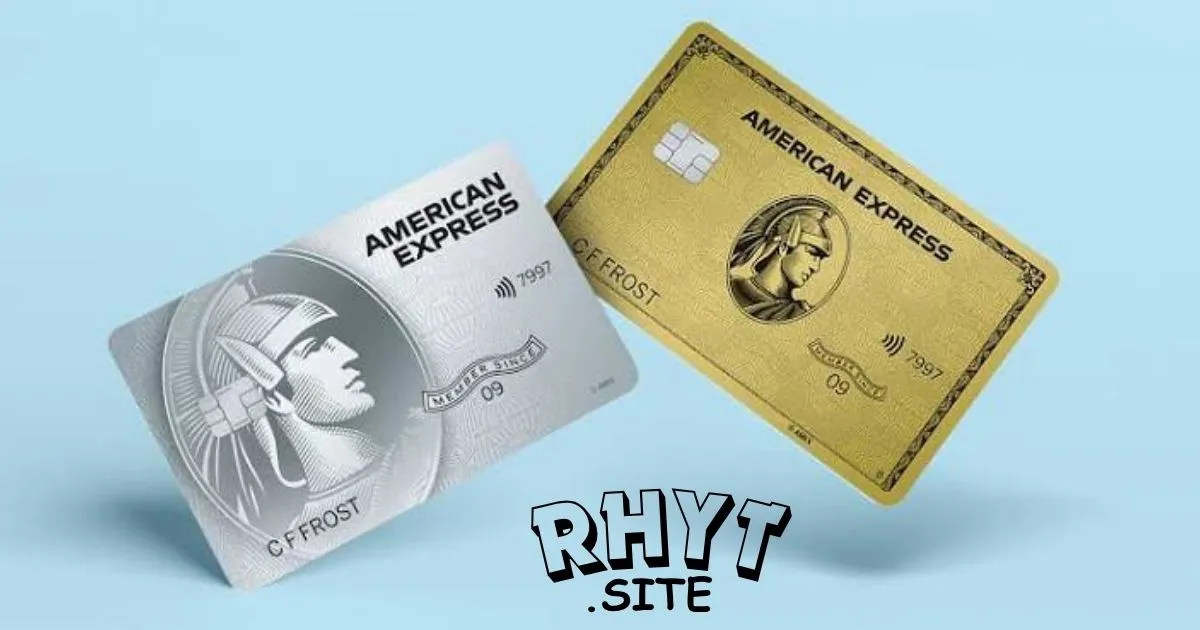
The sleek, metallic weight of a premium credit card in your hand certainly feels like success. Featuring eye-catching titanium or steel builds, high-status logos, and hefty price tags, cards like the American Express Platinum, Chase Sapphire Reserve, or Capital One Venture X have transformed from niche financial products into mainstream lifestyle flexes.
However, with annual fees ranging anywhere from $395 to upwards of $695 or more, the central question for any consumer remains: Are premium credit cards actually worth the investment, or are they just expensive status symbols?
The short answer is that they can be extraordinarily valuable—but only if your actual spending habits align seamlessly with the perks they offer.
The Upfront Cost vs. The Perk Math
To evaluate whether a premium card earns a spot in your wallet, you have to run a simple break-even audit. Issuers know that a $500+ annual fee sounds intimidating, so they load these products with statement credits designed to offset the cost.
1. Direct Statement Credits
Most premium cards offer recurring credits for specific spending categories:
-
Annual Travel Credits: Flexible $300 travel credits (like the one on the Chase Sapphire Reserve) effectively reduce a card’s net cost instantly.
-
Lifestyle & Digital Credits: Monthly or annual reimbursements for streaming services, Uber or Lyft rides, dining, or clear/Global Entry membership fees.
The Trap: A perk is only worth what you would have spent naturally. If a card offers a $200 credit for a luxury gym you would never otherwise visit, that credit isn’t saving you $200—it’s convincing you to rationalize an annual fee.
2. Airport Lounge Access & Travel Comforts
For frequent flyers, airport lounge networks (such as Amex Centurion Lounges, Priority Pass, or Sapphire Lounges) are often the single biggest selling point. Airport dining and drinks can easily cost $40–$60 per visit. If you travel 5 to 10 times a year, complimentary lounge entry alone can yield $400 to $600 in raw utility—not to mention the soft value of high-speed Wi-Fi, quiet workspaces, and comfortable seating during layovers.
3. Protection Policies (The Invisible Value)
Premium cards act as a built-in insurance policy for heavy spenders and travelers:
-
Primary Auto Rental Insurance: Covers damage to rental cars without tapping your personal auto policy.
-
Trip Delay & Cancellation Protection: Reimbursement for hotel rooms, meals, and emergency transport if flights are disrupted.
-
Purchase & Extended Warranty Protection: Protection against theft, accidental damage, or product breakdown on expensive electronics and everyday purchases.
For high spenders, utilizing trip interruption insurance just once during a major delay can instantly pay for the annual fee several times over.
Comparative Breakdown: Premium vs. Standard Cards
To see how the numbers stack up in practice, compare how a high-end card contrasts with a no-annual-fee card:
| Feature | Standard (No-Fee) Card | Premium Travel/Rewards Card |
| Annual Fee | $0 | $395 – $695+ |
| Welcome Bonus | Minimal or $150–$200 bonus | 60,000 to 100,000+ points (Valued at $600–$1,500+) |
| Rewards Multipliers | Flat 1.5% – 2% cash back | Up to 3x–10x points on travel, dining, and hotel bookings |
| Travel Perks | Basic or None | Priority Lounge Access, Hotel Status, Concierge Service |
| Foreign Transaction Fees | Typically 3% | 0% |
| Insurance Coverage | Secondary or basic purchase protection | Primary rental car, trip delay, lost luggage, and cell phone protection |
When a Premium Card IS Worth It
A premium card is generally a winning proposition if you meet these criteria:
-
You pay your balance in full every month: Premium cards carry high ongoing APRs. Carrying a balance and accumulating interest charges will instantly wipe out any rewards or statement credits you earn.
-
You travel at least 3–4 times a year: Between foreign transaction fee savings (saving ~$30 per $1,000 spent abroad), lounge access, and hotel room upgrades, regular travelers get high real-world yield.
-
You can transfer points to partners: Transferring credit card points to airline or hotel loyalty programs often yields 2.0 cents or more per point, turning a 60,000-point bonus into $1,200+ in flight value.
-
You naturally use the bundled credits: If you already pay for rideshares, door delivery, or specific streaming services out of pocket, a premium card simply acts as a discount engine for your existing budget.
When You Should Pass
Conversely, you should skip the metal card if:
-
You’re a homebody or budget traveler: If you fly once a year and prefer low-cost carriers where transfer partner points don’t apply, a simple 2% cash-back card will yield better net returns without the high fee.
-
You dislike managing “credit couponing”: Premium cards increasingly rely on monthly statement credits that require tracking, opt-ins, and specific vendor usage. If tracking monthly allowances feels like homework, you won’t maximize the value.
-
You are prone to overspending: The psychological effect of high credit limits and flashy perks can tempt some cardholders to spend money they don’t have just to reach spending thresholds or earn points.
The Bottom Line
Premium credit cards are not inherently “good” or “bad” financial tools—they are specialized instruments designed for a specific lifestyle.
If you are a frequent traveler who naturally utilizes the built-in credits and pays off your balance in full every month, a premium card isn’t an expense; it’s a net positive financial decision that pays you back in comfort, convenience, and travel savings. However, if you have to change your spending habits just to justify the annual fee, stick to a solid zero-fee cash-back card.